
Your Child Is Bright. So Why Are Reading & Writing So Hard?
1:1 online Reading & Writing tutoring for students in grades 3–8 who understand more than they can consistently show in their reading and writing
Your child guesses at unfamiliar words, rushes through reading, or finishes a passage without understanding what they've read.
They have great ideas but struggle to turn them into clear sentences and organized paragraphs.
And homework that should take 30 minutes somehow takes two hours.
I identify the underlying skills getting in the way and teach them explicitly, helping your child become a more capable, confident, and independent reader and writer.
You Know They're Capable. Their Schoolwork Isn't Showing It
Maybe their teacher says they have great ideas during class discussions, but their written responses are only one or two sentences.
Maybe your child reads an entire page aloud but guesses at unfamiliar words, skips endings, or can't explain what they just read.
Maybe they understand the topic but lose points because they missed part of a multi-step question.
Or maybe every writing assignment begins with a blank page while you try every version of:
"Okay...what are you trying to say?"
You remind them to slow down. To read it again. To add more detail. To check their work.
Eventually, you're helping organize every paragraph or practically writing the assignment yourself.
They're frustrated. You're frustrated. And everyone is beginning to dread homework.
You know your child is capable of more. But you can't figure out why reading and writing are so difficult or why the same problems keep showing up.
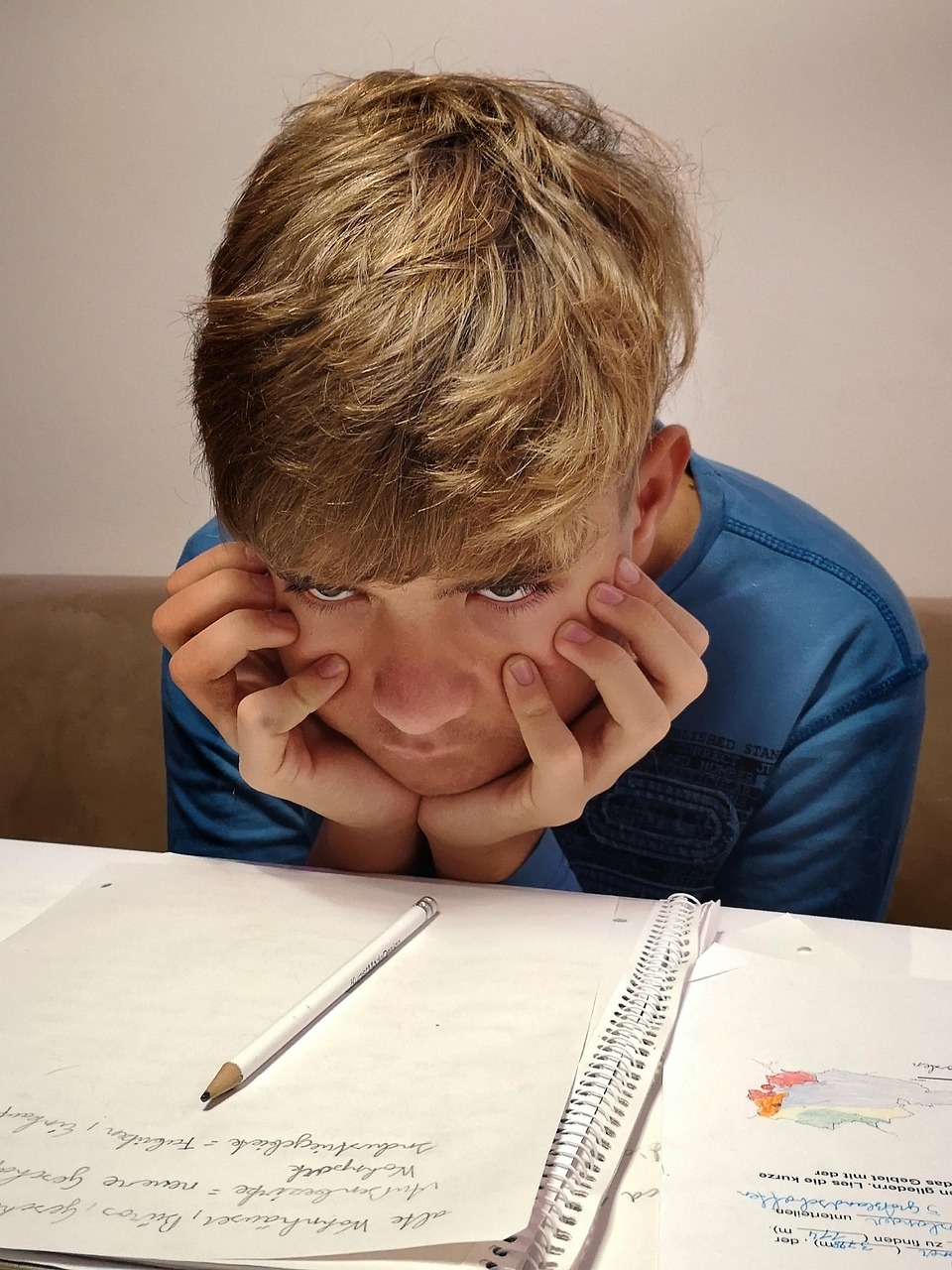

The Struggle You See May Not Be the Real Problem
What looks like rushing, carelessness, or a lack of effort may actually be a reading or writing skill that isn't secure yet.
Two students can struggle with the same assignment for completely different reasons.
One may spend so much effort decoding words that little attention is left for understanding what they've read.
Another may read accurately but struggle with vocabulary or complex sentence structures.
A student who repeatedly misspells words may need explicit instruction in spelling patterns and meaningful word parts, not another list to memorize.
And the child staring at a blank page?
They may have plenty of ideas but lack the sentence-building, grammar, and organizational skills needed to express them in writing.
That's why more worksheets, more reminders to "slow down," or more time spent struggling through homework may not solve the problem.
When the underlying skills aren't secure, the same difficulties can follow your child from one assignment to the next.
And repeated frustration can gradually turn into something more troubling:
"I'm just bad at reading."
"I can't write."
Your child doesn't need someone to keep correcting the same mistakes. They need instruction that addresses the skills behind them.
What if they keep falling behind? What if they start believing they’re just not good at reading and writing?
That’s Where I Can Help
Reading and writing aren't separate collections of school tasks. They're connected skills that build on one another.
When word reading is accurate and increasingly automatic, students can devote more attention to meaning. Knowledge of spelling patterns and meaningful word parts supports both reading and writing. Vocabulary and grammar help students understand complex language and express their own ideas clearly.
That's why I begin by identifying where your child's reading and writing skills are breaking down, rather than assuming every student needs the same lessons.
My instruction targets four core literacy areas.
Phonics, Decoding & Fluency
I teach students to decode unfamiliar words accurately and develop the fluency needed to read increasingly complex text without using all their attention to figure out the words.
Spelling & Morphology
Students learn how sounds, spelling patterns, syllables, roots, prefixes, and suffixes work together so they can read, spell, and understand increasingly complex words.
Vocabulary & Comprehension
I build the vocabulary, language knowledge, and understanding of sentence structures students need to make sense of complex texts, connect ideas, and explain their thinking using evidence.
Writing & Grammar
I explicitly teach sentence construction, grammar, paragraph structure, and multi-paragraph composition so students can organize, develop, and communicate their ideas clearly.
From Explicit Instruction to Independence
I break complex skills into manageable steps, model what to do, and guide your child through purposeful practice.
As skills become more secure, I gradually reduce support and give your child opportunities to apply what they've learned independently.
I also monitor progress and adjust instruction based on how your child responds.
Because the goal isn't for your child to complete assignments only when someone is sitting beside them.
It's for them to know what to do when they're on their own.

Getting your child the right reading and writing support shouldn't feel complicated.

Start With an Initial Assessment
I assess your child's current reading and writing skills to identify strengths, pinpoint underlying gaps, and determine where instruction should begin.

Get a Personalized Learning Plan
I use the assessment results to develop a targeted learning plan based on your child's specific needs. Two students in the same grade don't necessarily need the same instruction

Begin 1:1 Online Tutoring
Your child works directly with me in live, interactive sessions. I teach targeted skills, provide guided practice, monitor progress, and adjust instruction as your child develops.
30-minute and 60-minute sessions are available, depending on your child's tutoring plan.
Frequently Asked Questions
How can a reading and writing tutor help my child?
As a reading and writing tutor, I provide individualized instruction that addresses the specific literacy skills your child needs to strengthen. I teach both how students understand written language and how they express their own ideas in writing.
Depending on your child's needs, instruction may include:
Reading: Decoding, fluency, vocabulary, and comprehension.
Writing: Sentence construction, paragraph development, organization, and written responses to reading.
Spelling and grammar: Spelling patterns, grammar, punctuation, and written conventions.
Revision and editing: Developing, refining, and communicating ideas clearly.
My goal is to strengthen underlying literacy skills so your child can become a more independent reader and writer.
How do you determine what my child needs help with?
I begin with a comprehensive initial assessment to identify your child's reading and writing strengths and areas requiring additional instruction. I use the results to develop an individualized learning plan that addresses their specific needs.
Rather than relying on grade level alone, I examine the skills affecting your child's reading and written expression. I also monitor progress throughout tutoring and adjust instruction as your child's skills develop.
What happens during an online reading and writing tutoring session?
Each session provides live, 1:1 instruction based on your child's individualized learning plan. I use explicit teaching, guided practice, and immediate feedback to address the reading and writing skills identified through assessment.
Depending on your child's needs, sessions may include word reading, spelling, comprehension, sentence construction, paragraph writing, or revision.
I adjust instruction in real time and provide additional support or greater challenges when appropriate. Sessions are either 30 or 60 minutes, depending on the tutoring plan.
Is online reading and writing tutoring effective?
Online reading and writing tutoring can be effective when instruction is individualized, interactive, and consistent. My sessions are live and 1:1, allowing me to observe your child's reading and writing, explain concepts, provide immediate feedback, and adjust instruction.
Your child works directly with me rather than watching prerecorded lessons or completing activities independently.
Progress depends on your child's starting skills, individual learning needs, attendance, participation, and practice. I do not promise specific results or timelines.
How much does tutoring cost, and which plan is right for my child?
My online reading and writing tutoring plans start at $300 per month. The appropriate plan depends on your child's assessment results, instructional needs, and the amount of support required.
Primary plan
Comprehensive Support
$500/month
Four 60-minute, 1:1 online sessions per month. Designed for students who need consistent, individualized reading and writing intervention.
Focused Support
$300/month
Four 30-minute, 1:1 online sessions per month. Available when shorter sessions are appropriate for a student's instructional needs.
Both plans include:
Comprehensive initial assessment
Individualized lesson planning and instruction
Ongoing progress monitoring and parent-friendly reports
Parent communication between sessions
A secure student workspace and supplemental learning resources
Enrollment is month-to-month and reserves your child's recurring place in my tutoring schedule.
How will I know if my child is making progress?
I use ongoing assessments and progress monitoring to track how your child responds to reading and writing instruction. I use this information to adjust lessons and determine which skills need continued attention.
Both tutoring plans include parent-friendly progress reports and communication between sessions. When applicable, I can also provide progress data for your child's IEP discussions. This documentation supplements, but does not replace, school evaluations or formal IEP decisions.
How is your reading and writing tutoring different from homework help or tutoring apps?
My tutoring focuses on identifying and strengthening the underlying reading and writing skills your child needs. Unlike general homework help, instruction is guided by assessment results, individualized lesson planning, and ongoing progress monitoring.
Unlike a tutoring app, I can observe how your child reads and writes, identify errors, explain concepts differently, and provide immediate, personalized feedback.
I use supplemental technology and school materials when appropriate, but they support instruction rather than replace it. My focus is helping your child develop skills they can apply independently.